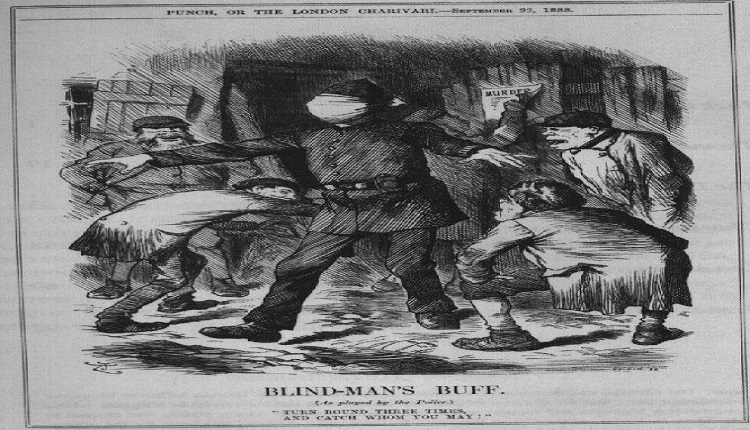
In this enquiry your students will build up their knowledge of living conditions in Whitechapel to help understand why it was so difficult to police. They start by working out the message of a cartoon published in a Penny Dreadful. Next they use their analytical skills to focus on the[…]
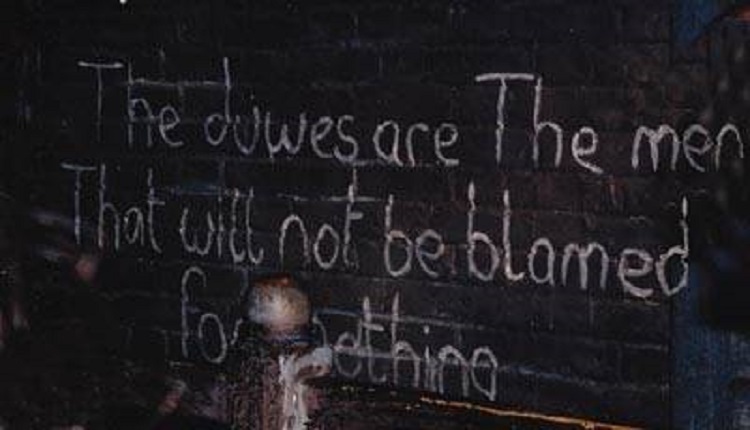
Starting with this graffiti that appeared on a wall in Whitechapel, this enquiry gradually builds up student knowledge of an aspect of the hunt for the Ripper. Your class will learn that this vital piece of evidence was quickly removed by a commanding officer? Why? By looking at new information your students will[…]
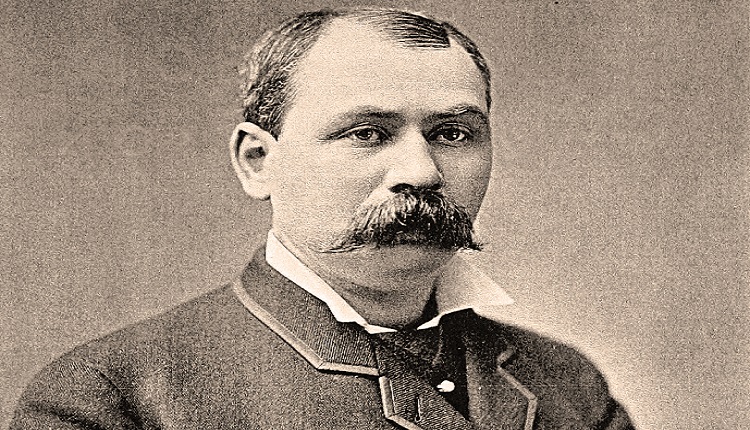
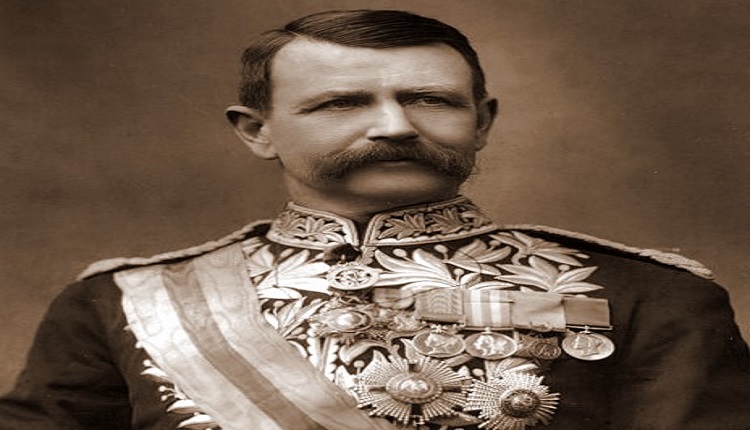
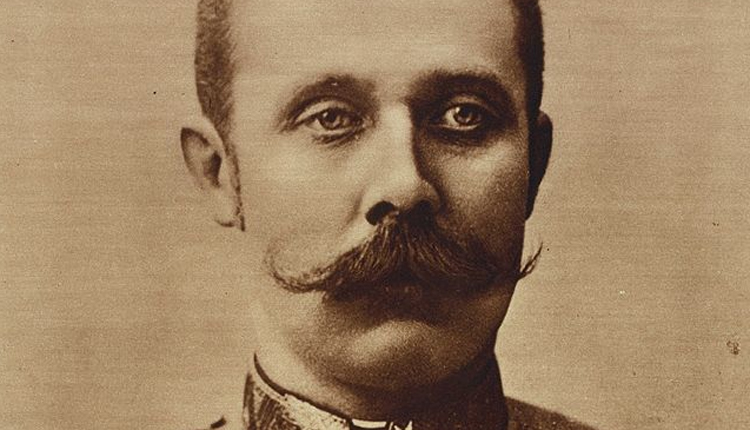
Frederick Aberline, the Inspector in charge of the Ripper case was highly regarded. Yet his Ripper investigation was described by NYPD Police Chief Thomas Brynes as stupid! This enquiry gets your students to answer this question. They look at the national picture, interview Inspector Abberline and decide whether Brynes’ assessment[…]
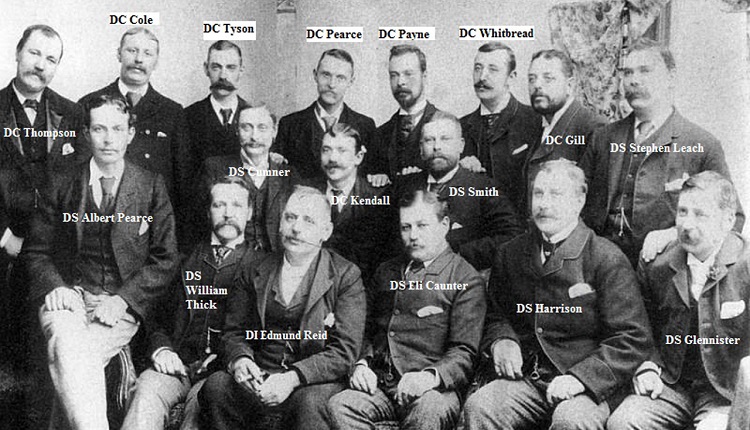
Many aspire to being promoted to positions of authority: Middle Leader, SLT, Head Teacher!? Like education, The London Metropolitan Force had a clear structure of power. Becoming Commander of a Division or an area was a big deal. But what was it like to be commander of the notorious H[…]
A famous Punch cartoon, used in this enquiry, pokes fun at Sir Charles Warren’s leadership of the Met. It suggests that so many officers were used in the investigations, the rest of London was easy pickings for thieves! Yet Charles Warren is remembered with one of those blue plaques! But, his predecessor[…]
Lots of thinking has gone into planning and resourcing this AQA period study.The rationale behind this comes straight from successful classroom practice. The entire course has been structured around 10 core principles designed to approach 2016 GCSE lessons. This AQA Germany SOW with fully resourced lesson enquiries has been designed to increase engagement and motivation.[…]
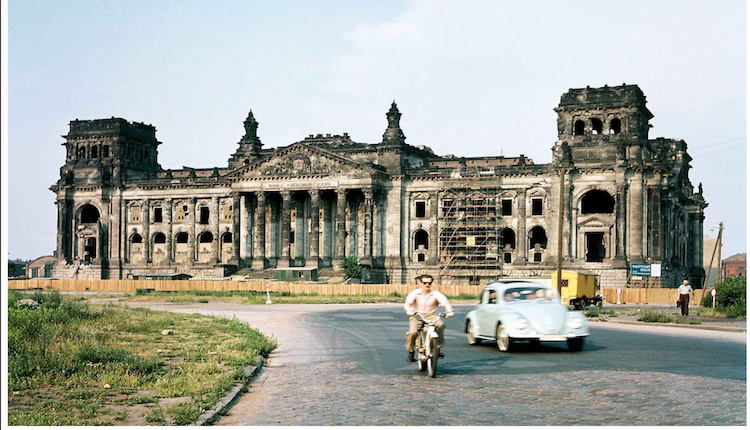
This enquiry is a classic big-picture overview of over 100 years of German history. Look at the big view before diving into the depth of the course. Berlin is THE city to visit if you study German and/ or Cold War history. However, the costs of school trips have rocketed[…]
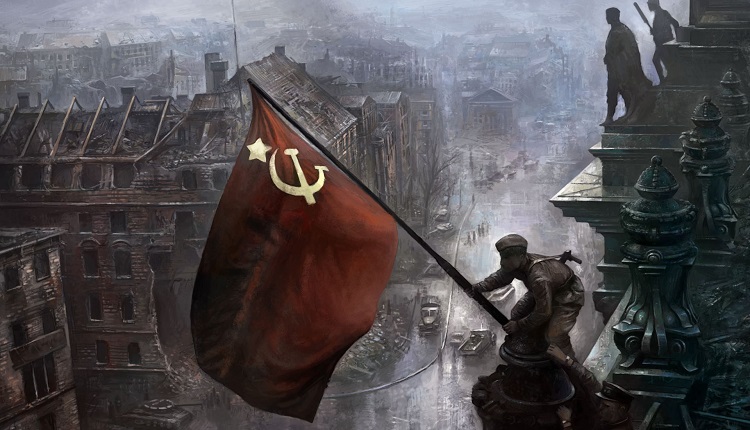
Starting at the end with a teacher read, engaging story from Ian Kershaw’s The End, can your students work out what happened over this fascinating 50 years of history? They will look at images and match them to captions to get an overview.
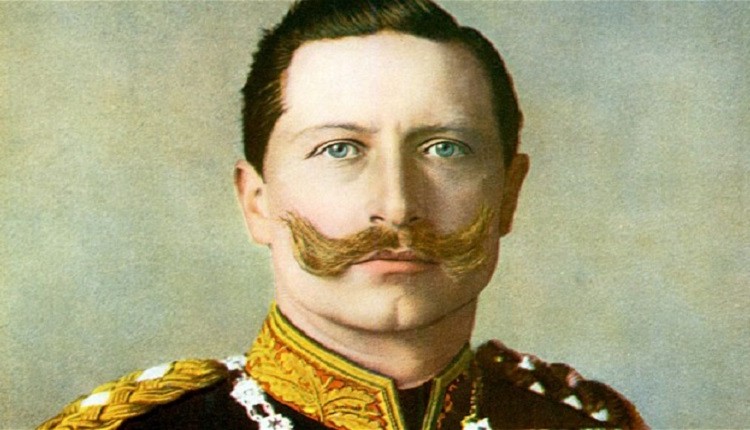
How much was Kaiser Wilhelm II’s ability to rule shaped by his early life? Here we bring the personal story to life. Kaiser Wilhelm was a deeply flawed and complex personality. He was charming, capricious, intelligent yet lacking an eye for detail, cruel… and so much more. To really understand[…]
Can your students work through a decision making activity? They face the same problems as the Kaiser, but must try and make the best decisions possible. This is a fun way to cover the new AQA GCSE content 1890-1914.
Was there anything new about 20th century crimes? This enquiry acts as good revision crime across time. It also gives a really quick over-view of technological change in the 20th century before asking your students to get stuck into the enquiry question. The class will look at some so called[…]
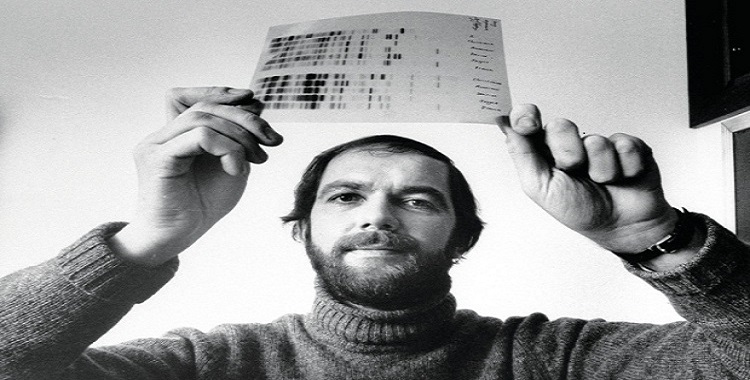
How much did the police-force change after 1900? This enquiry uses the case of Colin Pitchfork to help your students work out how much policing changed in the 20th century. After re-capping what policing was like by 1900, your students will read about the Pitchfork case. This was the first[…]
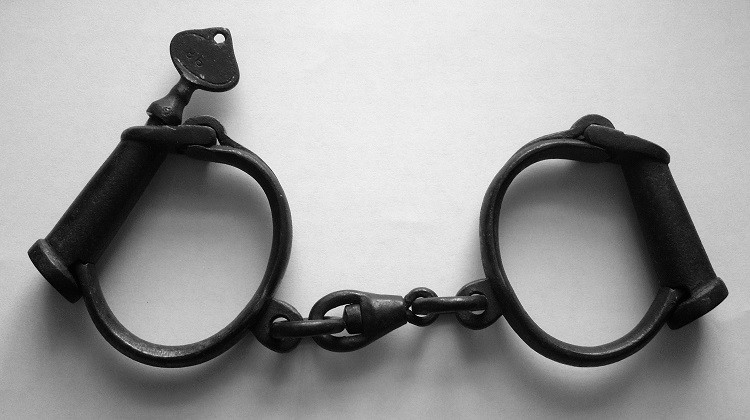
Did the 20th century see the biggest change in the punishment of offenders? Starting with sad case of Derek Bentley (pictured), the class acts as jury to decide whether they would find Bentley innocent or guilty? We are sure they will be shocked when they find out the real verdict. This[…]
Using evidence from the scene your students come to their own conclusions as to why Davison died? This engaging approach takes your students thinking to the higher level.
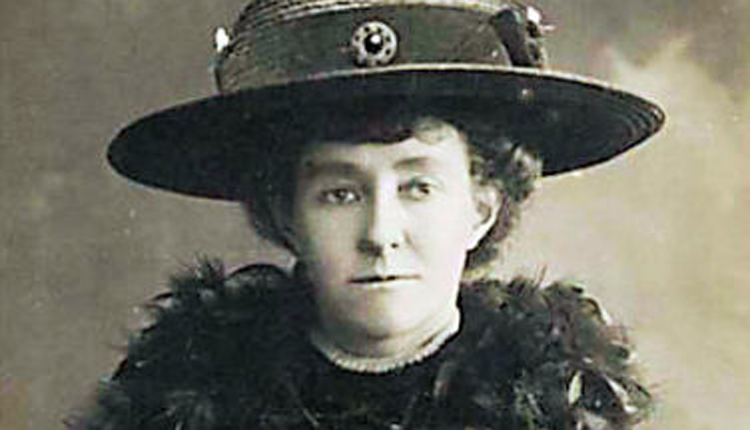
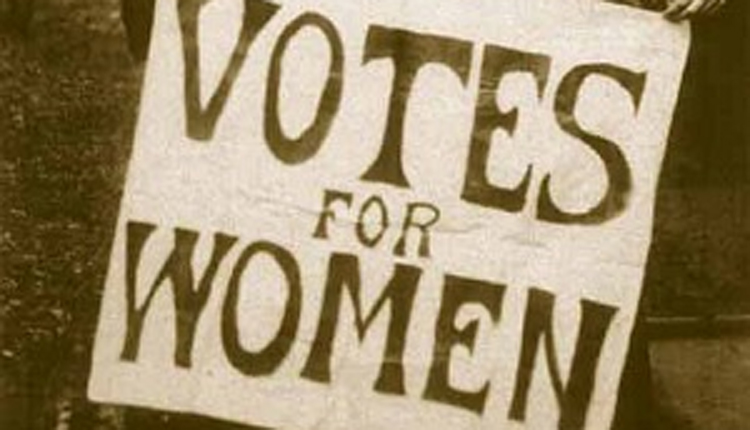
How do we get our students to understand how and why things changed over time? Focusing on the Suffragette campaign this active enquiry shows exactly how.
When was the safest time to steal? This enquiry acts as a revision overview to your entire crime and punishment course. When was the safest time for a criminal to steal and get away with it? You ask your students to remember as much as they can about crime prevention[…]
This enquiry helps students to understand the longer-term causes of the First World War. It uses two satirical maps (drawn in 1914) to make links between the Franco-Prussian War of 1870 and the war of 1914-18. Students spend some time picking apart the maps. They try to work out what[…]
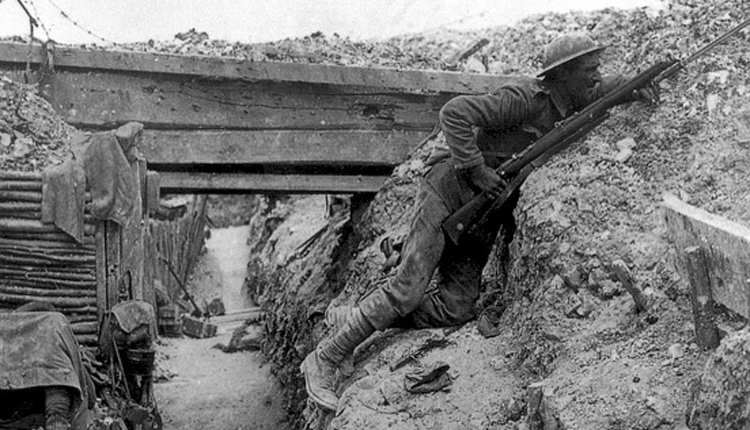
This enquiry is a great way of developing students’ understanding of what it was really like for ordinary soldiers in the trenches of World War One. It challenges some of the common misconceptions that seem to have become widespread about trench warfare. At the centre of the enquiry is the[…]
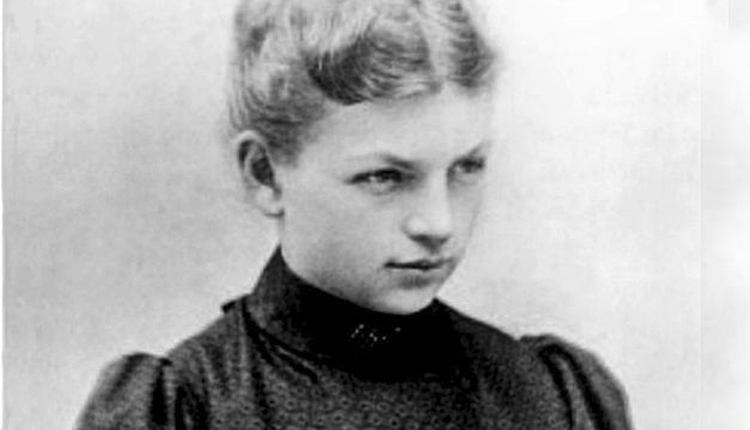
Why would a gifted scientist take her own life? Can your pupils solve the mystery and critique a short film? The personal story reveals something very sinister.
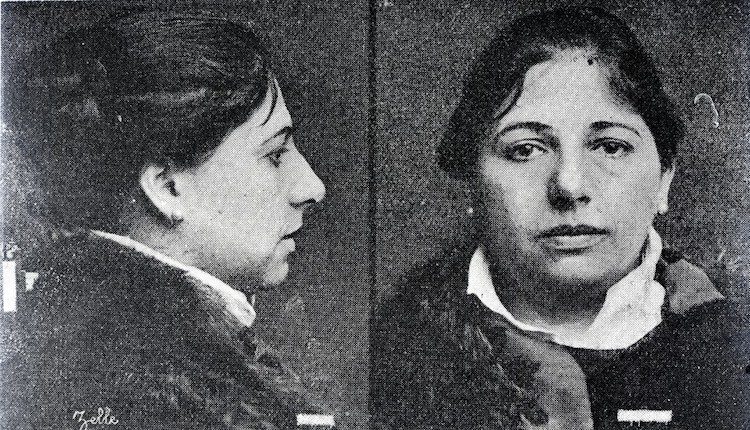
This enquiry focuses on the colourful life of Margaretha MacLeod who was otherwise known as Mata Hari. Mata Hari was the Dutch exotic dancer who was executed in 1917 for her supposed espionage activities during the First World War. Students are challenged to work out why Margaretha was executed. […]
Here students use a set of criteria to evaluate the significance of WWI. Can they apply their understanding by evaluating the coverage of WWI in a school textbook.
This enquiry offers a great way of broadening the lens of study for the First World War. It introduces students to the global war – and to the long-lasting impacts of that war across Africa. First, the lesson disrupts students’ understanding about where the war took place, by asking them[…]
This enquiry takes as its focus the panoramic World War One painting the Panthéon de la Guerre, painted towards the end of the war. The enquiry uses the painting as a way of exploring the idea of commemoration. Students consider the ways in which the painting might have served to[…]
This activity puts your students in the role of decision makers for the League of Nations in the 1920s and 30s. It helps them to understand the tough decisions they were confronted with.
You can recommend this post to several users by putting 1 email on each line
We use cookies to ensure that we give you the best experience on our website. If you continue to use this site we will assume that you are happy with it.